Index Fund Investing for Beginners: Own the Market Without Picking Stocks
How broad index funds work, why low fees matter, and a simple path from first contribution to a diversified portfolio.
What an Index Fund Actually Buys
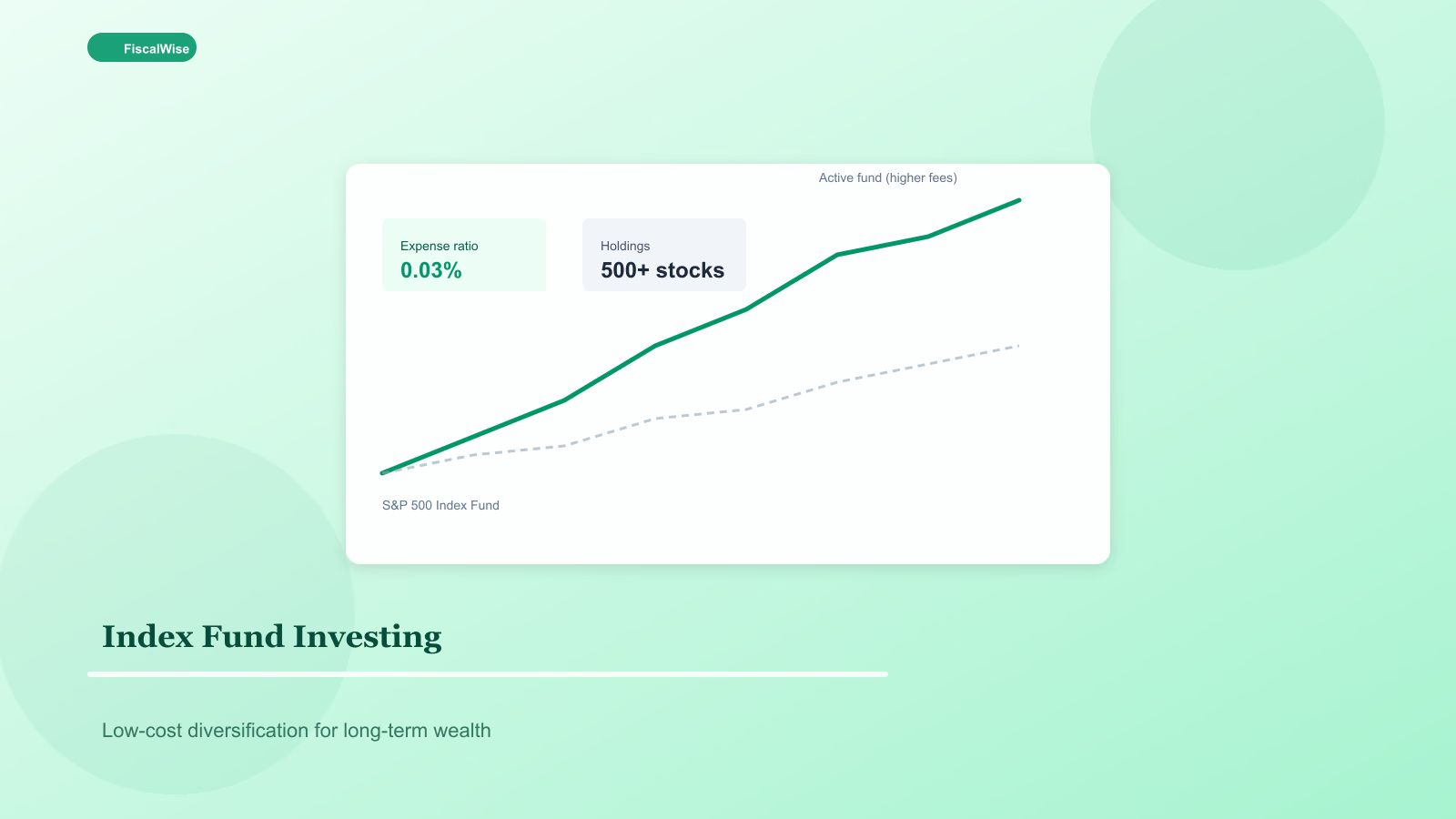
An index fund holds hundreds or thousands of stocks or bonds designed to track a market index — the S&P 500, total US market, global ex-US, aggregate bonds. You are not betting on one company. You own a slice of the whole machine: Apple and the dry cleaner's supplier and the hospital REIT, weighted by market size.
For most beginners, a total stock market index fund plus a total bond index fund (ratio based on age and risk tolerance) beats stock-picking, day-trading, and expensive actively managed funds that rarely beat indexes after fees over 15 years.
Why Fees Are the Silent Wealth Killer
Expense ratios matter enormously over decades. A 1.00% fee vs. 0.05% on a $10,000 annual contribution at 7% gross return costs tens of thousands over 30 years. Check every fund's expense ratio before buying. Under 0.10% for broad equity indexes is common at Vanguard, Fidelity, Schwab, and others.
Our investment return calculator helps compare what you actually kept after fees if you know starting balance, ending balance, and years held.
Index Funds vs. ETFs vs. Mutual Funds
| Vehicle | How you buy | Notes |
|---|---|---|
| Mutual fund | Dollars, often end-of-day price | Automatic investing easy |
| ETF | Shares, live market price | Great in brokerage accounts |
| Index strategy | Either wrapper | Focus on index tracked and fee |
For a 401(k), you get what the plan offers — pick the lowest-cost broad index available. In IRAs or taxable accounts, ETFs and mutual funds both work.
A Simple Starter Portfolio
Age under 40, long horizon: 80–90% total stock market index, 10–20% bond index.
Age 40–55: 60–70% stocks, 30–40% bonds — adjust per sleep-at-night test.
First account ever: One fund is fine — a target-date fund or total market fund — until you learn to rebalance.
Add international exposure for diversification. US-only indexes miss roughly half the world's public market cap.
How to Open and Fund an Account
- Choose account type — 401(k) at work, Roth or traditional IRA, or taxable brokerage
- Pick provider with low-cost index options
- Link bank account
- Set automatic monthly investment — payday alignment works
- Reinvest dividends
Start with whatever you can — $50/month beats waiting for the "perfect" lump sum. Compound time matters more than opening size. See projections in our compound interest calculator and retirement savings calculator.
What Index Investing Is Not
- Not risk-free — Stocks drop 30%+ in bad years. Bonds can fall when rates rise.
- Not short-term — Money needed within five years should not be all-in equities.
- Not exciting — You will not brag at parties. You will likely retire with more than peers chasing hot tips.
Staying the Course in Down Markets
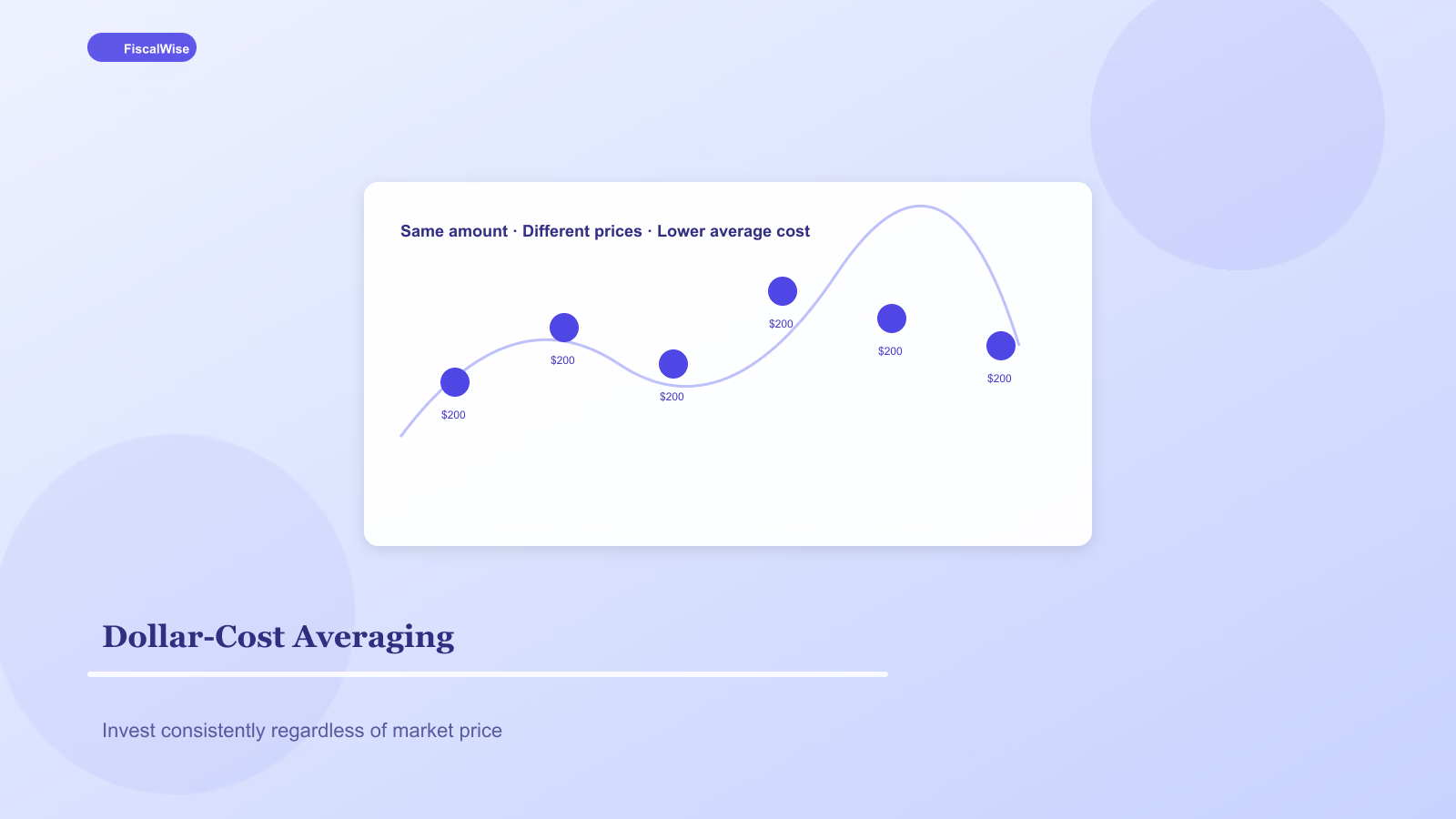
Indexes recover from historical crashes — but only if you do not sell at the bottom. Automate contributions so you buy more shares when prices are low (dollar-cost averaging). Rebalance once a year, not every headline.
Taxes in Taxable Accounts
Index funds are tax-efficient vs. active funds that trade often. Still, dividends and sales create tax events. Prefer tax-advantaged accounts (IRA, 401k) for stock-heavy allocation when possible.
Index fund investing is deliberately dull: broad diversification, rock-bottom fees, automatic contributions, decades of patience. That boredom is the feature.
Topics covered
- index funds
- ETF
- beginner investing
- diversification
Frequently Asked Questions
What is the difference between an index fund and an ETF?
Both can track the same index. Mutual funds trade at end-of-day net asset value in dollars; ETFs trade as shares on an exchange throughout the day. For long-term index investing, fees and index tracked matter more than the wrapper.
How much do I need to start investing in index funds?
Many brokerages allow $0 minimums and fractional shares. Starting with $50–$100 per month via automatic investment beats waiting for a large lump sum.
Are index funds safer than picking individual stocks?
They reduce company-specific risk through diversification but are not risk-free. A total stock index can fall 30% or more in a bad year. Match stock exposure to money you will not need for at least five to ten years.
What expense ratio should I look for?
For broad US or global equity index funds, under 0.10% is common at major providers. Every 0.50% in extra fees compounds into tens of thousands lost over decades.