Sinking Funds Explained: Save for Irregular Expenses Without Surprises
Labelled savings buckets for car repairs, holidays, and insurance premiums — so December does not wreck January's budget.
The Problem Sinking Funds Solve
Most budgets fail on predictable-but-irregular expenses. Car registration once a year. Christmas gifts. Semi-annual insurance premiums. Property tax without escrow. These are not emergencies — you know they are coming — yet they blow up monthly plans when they land.
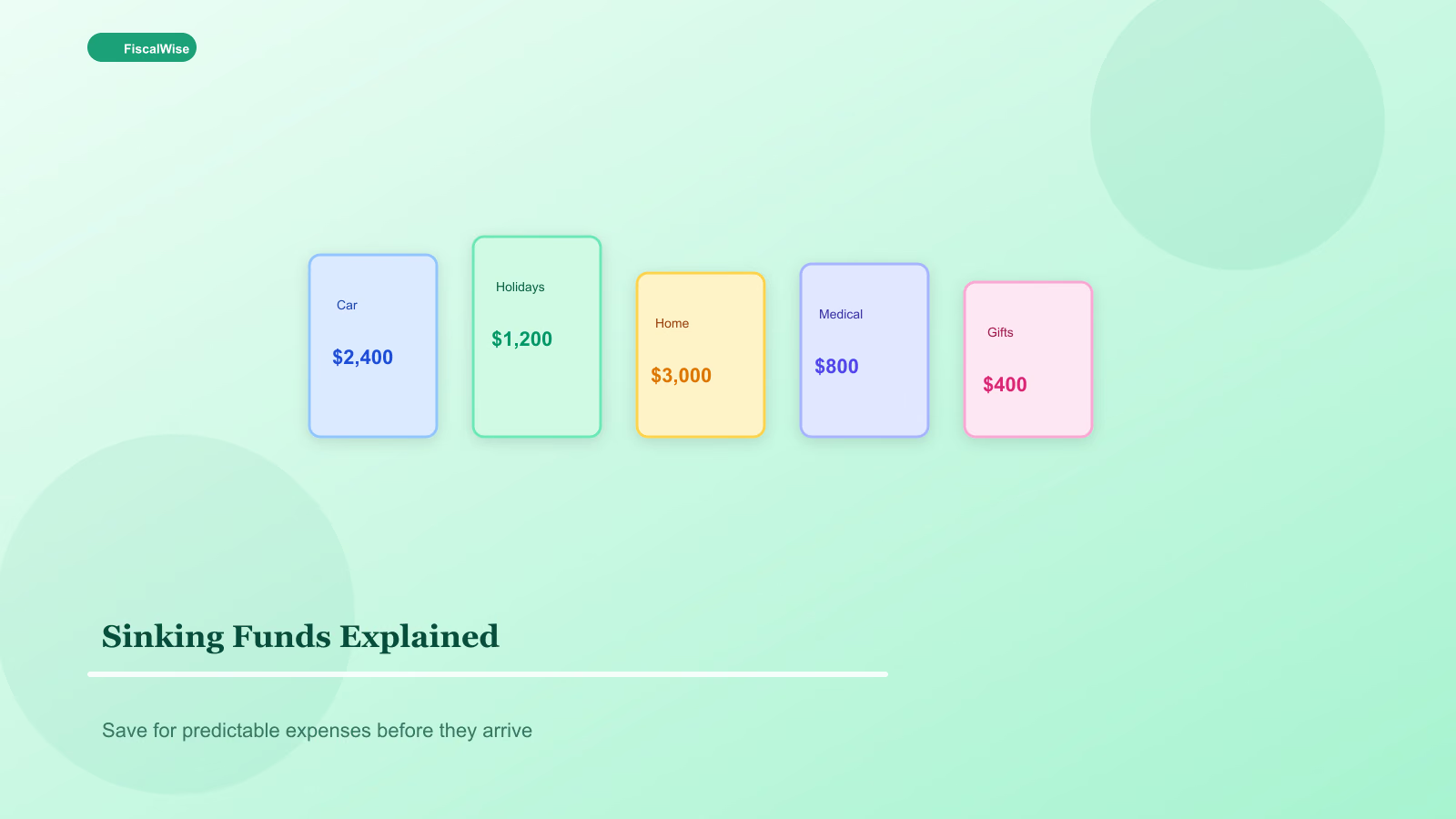
A sinking fund is cash set aside monthly for a specific future expense. You are pre-paying yourself in small amounts so the big bill feels boring instead of catastrophic.
Sinking Fund vs. Emergency Fund
| Fund type | Purpose | Examples |
|---|---|---|
| Emergency | Unknown, urgent shocks | Job loss, ER visit, sudden repair |
| Sinking | Known, planned costs | Holidays, tires, annual subscriptions |
Emergency money stays off-limits for Christmas. Holiday money is spent guilt-free because you funded it on purpose. Mixing the two invites rationalized spending and an empty cushion when real trouble hits.
How to Set Up Your First Three Funds
Start with the expenses that wrecked your budget last year:
- Car maintenance — $50–$100/month depending on vehicle age
- Gifts and holidays — total last year's spend, divide by 12
- Annual insurance or membership — premium ÷ 12
Open one HYSA or use spreadsheet tabs if your bank supports buckets. Transfer on payday alongside other automations.
Use our savings goal calculator for each target: $600 car fund in eight months means $75/month if starting at zero.
How Much to Put in Each Bucket
List irregular expenses from the last 12 months. Add expected next-year costs. Divide totals by 12 for monthly contributions. Round up 10% for inflation and surprises.
Example annual map:
| Expense | Annual cost | Monthly sinking |
|---|---|---|
| --- | ---: | ---: |
| Auto maintenance | $900 | $75 |
| Holidays/gifts | $1,200 | $100 |
| Home maintenance | $600 | $50 |
| Travel | $1,800 | $150 |
Total $375/month in sinking transfers. That line belongs in the budget calculator before discretionary spending.
Where to Keep Sinking Cash
Same high-yield savings as emergency funds is fine. Some people use one account with a ledger; others open separate accounts per goal to reduce temptation. CDs work only when the date is fixed and far enough out to match the term.
Sinking money can earn interest while waiting. Model long-term goals with the compound interest calculator — a wedding fund two years out benefits modestly from HYSA rates.
Spending From a Sinking Fund
When the bill arrives, transfer only the tagged amount. Reset the bucket to zero and keep monthly contributions flowing for next cycle. If you underfunded, adjust next year's monthly amount — do not raid emergency cash.
Common Mistakes
Too many micro-funds — Ten $15/month buckets create admin fatigue. Combine small items into "annual misc."
Stopping contributions after spending — Funds die if you do not restart immediately.
Using sinking for emergencies — Rename and refill if you must cross boundaries; do not make it a habit.
Pair Sinking Funds With Zero-Based Budgeting
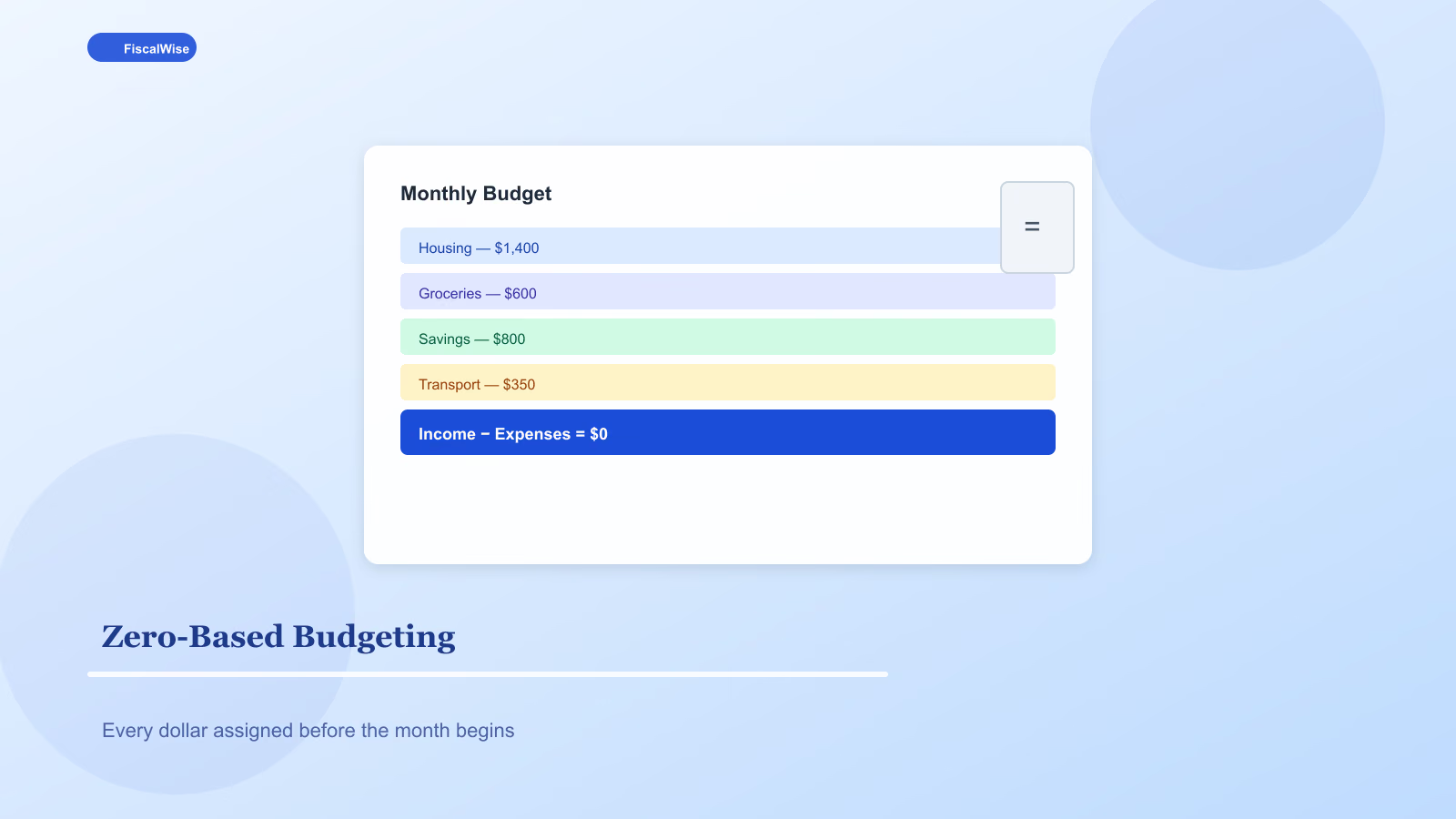
Zero-based budgets assign every dollar a job. Sinking lines are jobs with future due dates. Together they prevent "I forgot about registration" from becoming a credit card balance at 24% APR.
Sinking funds turn lumpy annual costs into smooth monthly habits. The first December you cash-flow holidays from labelled savings — not from January's rent — you will not go back.
Topics covered
- sinking funds
- savings buckets
- irregular expenses
- budgeting